
You've done the obvious things. The website had a refresh eighteen months ago. You're active on LinkedIn. The logo looks clean. But the enquiry rate is not where it should be, and when you ask people how they found you, the answers are vague. Something feels off. You just cannot pin down what.
That particular frustration is one of the harder business problems to sit with. There is no single smoking gun. Everything looks broadly fine. It just is not producing.
A brand audit surfaces the actual answer.
Not a rebrand. Not a new logo. A diagnostic: a structured review of how your brand presents itself, and whether that presentation is doing the commercial work you need it to do. The two things are not the same, and mixing them up is how businesses end up spending money on creative work that does not touch the underlying problem.
This guide walks through a five-area audit you can run yourself, with a practical walkthrough for each area, and the digital and AI search layer that almost every other brand audit guide completely ignores.
What a brand audit actually is (and is not)
A brand audit is a structured review of how your brand presents itself, both internally and externally, and whether that presentation is doing commercial work. That is the definition the Chartered Institute of Marketing broadly endorses, and it is worth holding onto because it frames brand as a performance question rather than a creative one.
It is not a redesign brief. Not a social media critique. Not a signal that your logo needs scrapping.
A brand audit is a diagnostic. You run it to understand what is actually happening before you decide what, if anything, to change. That distinction matters enormously. Commissioning a visual refresh before running the diagnostic is how businesses spend £15,000 on new brand assets and discover the problem was their positioning all along.
Three components sit inside a complete audit. The internal layer covers how you define and deploy your brand: your positioning, your visual assets, your messaging guidelines, and whether the people in the business communicate it consistently. The external layer covers how customers and the market actually perceive the brand, which is often meaningfully different from what you intend. The digital layer, which most guides ignore entirely, covers how the brand performs across search, AI recommendations, and local signals.
Four situations call for a brand audit. When growth has plateaued with no obvious cause. Before commissioning a rebrand, so you diagnose before you spend. After a website launch that underperformed expectations. As an annual health check once the business is established.
If you want context for what brand actually means for a smaller business before going further, the post on small business branding covers the fundamentals well.
The five areas a proper brand audit covers

Most brand audits in the wild are really visual identity audits. They check the logo, the colours, and maybe the website. Those things matter. But they are not the whole picture.
A complete brand audit covers five areas. Positioning is the one most businesses skip, which is exactly why they find themselves in the situation described above.
Brand strategy and positioning. This is the foundation. What is your stated positioning? Who is the business for, and why should they choose you over the alternatives? Can a stranger read your home page and understand the answers in under ten seconds? If the answers are unclear internally, they will be unclear externally. A differentiated unique value proposition is what holds everything else together. Without it, the visual identity and the messaging have nothing to anchor them.
Visual identity. Logo, colours, typography, and image style. The question here is not whether these are good; it is whether they are applied consistently. A fractured identity, one applied a dozen different ways across different touchpoints, undermines brand credibility even when each individual piece looks reasonable in isolation. Brand consistency is quieter and more powerful than most business owners realise, and its absence is quieter and more damaging too.
Voice and messaging. Does the tone of your copy match your positioning? Is the register the same across your website, your proposals, your email signatures, and your social profiles? Inconsistency in voice is as much a brand problem as inconsistency in visuals. It is also harder to spot from the inside, because each piece was written in context at the time and felt right then.
Customer perception. This is the gap between the brand you intend and the brand people actually experience. Your Google reviews, your new-client conversations, and your referral patterns all contain real data about how people perceive you. Most businesses do not look at this data through a brand lens. They should.
Digital presence. Website performance, search visibility, Google Business Profile accuracy, directory listings, and how your brand appears when someone Googles your name or asks an AI tool for a recommendation. This area has grown significantly more complex in recent years, and it deserves its own section.
How to audit each area: a practical walkthrough
This is not theoretical. Each area has specific things to check, specific questions to ask, and specific tools to use.
- Brand strategy
Print out your home page. Show it to three people who do not already know your business and ask them what the company does, who it is for, and why someone would choose it over the alternatives. If the answers vary, your positioning is not landing. That is a diagnostic finding, not a design problem.
Check your Companies House listing. How does your trading name and sector description read? It is often the first impression a due-diligent prospect forms, and it is frequently overlooked. While you are there, run the IPO trademark search on gov.uk to confirm your brand name is protected and not conflicting with another registered mark. Most UK SMEs have never done this. It takes ten minutes.
Ask yourself whether your positioning has evolved since you wrote your current home page. Businesses change. The messaging often does not keep pace. That gap is a finding worth recording.
- Visual identity
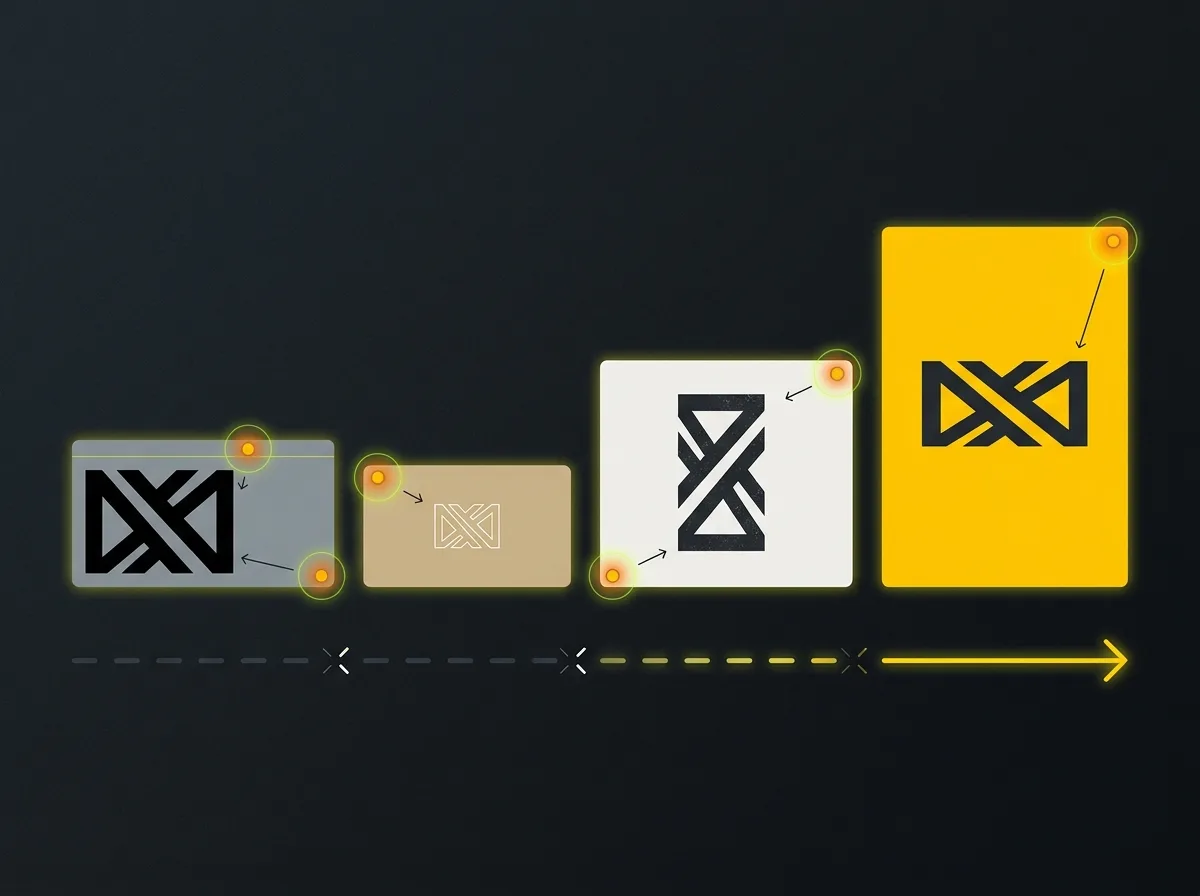
Collect every branded document you regularly produce: the website, email signature, proposal template, social profile images, any printed materials. Screenshot them. Put them side by side.
Look at them as if you are seeing them for the first time. Are the logo files consistent? Is the same version used everywhere, or are there three variations in the wild because nobody documented the correct one? Are the colours matching, or has someone used a slightly different shade on the proposal template because the hex code was never saved anywhere? This is precisely why how brand design builds trust before the phone rings matters in practice: trust is built or eroded before anyone speaks to you, and inconsistency erodes it without anyone intending it to.
Most SMEs who do this exercise are surprised by what they find. The individual pieces look reasonable in isolation. Together they reveal an identity applied in half a dozen ways by different people at different times. That is not a strategy problem. It is a system problem. And it is fixable without starting from scratch.
- Voice and messaging
Read three of your own web pages aloud. Does the copy sound like one person talking? Or does the register shift between pages: formal on the About page, conversational on Instagram, faintly corporate on the proposals?
Then do a competitor read. Pull up the three competitors your clients mention most often. How does your language compare? If your tone is essentially indistinguishable from theirs, your messaging is not doing any differentiation work. That matters more than most businesses realise, because buyers in consideration stage are comparing, consciously or not, and sameness sends them toward whoever is cheapest or most familiar.
- Customer perception
Pull your last twelve Google reviews and read them carefully. What words recur? What are clients actually praising, as opposed to what you think they are praising? The gap between those two answers is often the most revealing thing in the entire audit.
Pull your last ten new-client conversations and ask the same question in reverse. What made them choose you? How did they describe what they were looking for when they first made contact? What did they think you did before they fully understood your services? The answers represent your actual perceived brand, which may be meaningfully different from the one you are trying to communicate.
- Digital presence
Open an incognito browser and search your business name. What does the results page look like? Is your website the first result, or are directories ranking above you on your own name? Is your Google Business Profile appearing in the knowledge panel? Are your opening hours correct? Is your address right?
Then search for the main thing you sell, in your city or sector. Do you appear anywhere on the first page? Use Google Search Console to pull the queries surfacing your site; you may find you are appearing for terms you did not expect and invisible for terms you assumed were covered. Google Analytics 4 shows which pages people land on and where they exit. Screaming Frog can run a quick technical pass across the site to flag broken pages, missing meta descriptions, and redirect chains. None of these take more than an hour. The findings are usually illuminating.
The digital and AI search layer most brand audits miss
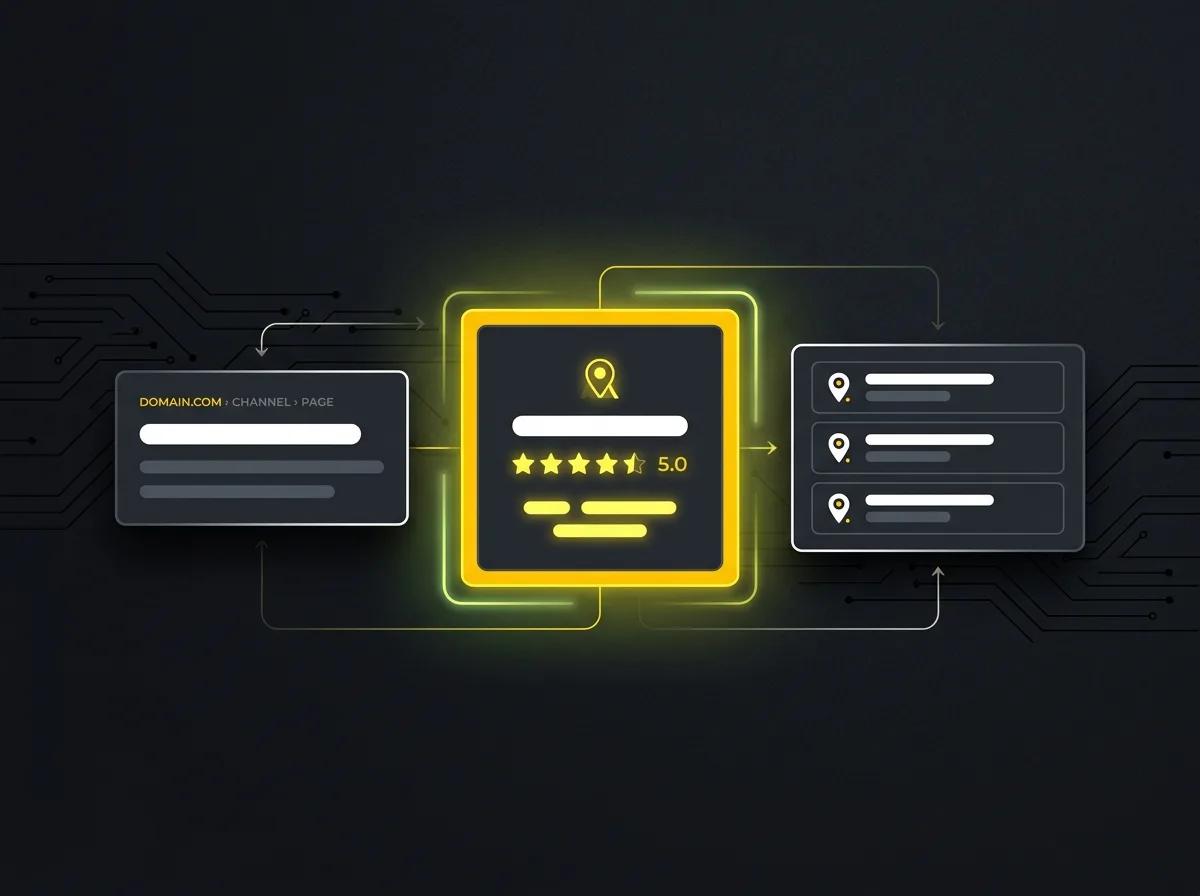
Most brand audit guides are written by design studios whose expertise is visual identity and messaging. Fair enough. But in 2026, your brand does not live only in your logo and your copy. It lives in search results, in the map pack, in directory listings, and in AI-generated recommendations. An audit that ignores those channels is only doing half the job.
Your brand in search results. When a prospect Googles your business name, the snippet they see before they click, your page title, meta description, and preview text, is a brand communication. An outdated meta description that describes a service you no longer offer, a page title that no longer reflects what you do, a directory listing ranking above your own website: these things undermine credibility before anyone reaches your content. The two are not separate disciplines.
Your brand in AI search. If a prospect asks ChatGPT, Claude, or Perplexity who does what you do in your sector or city, do you appear? This is the question most businesses have not thought to ask yet.
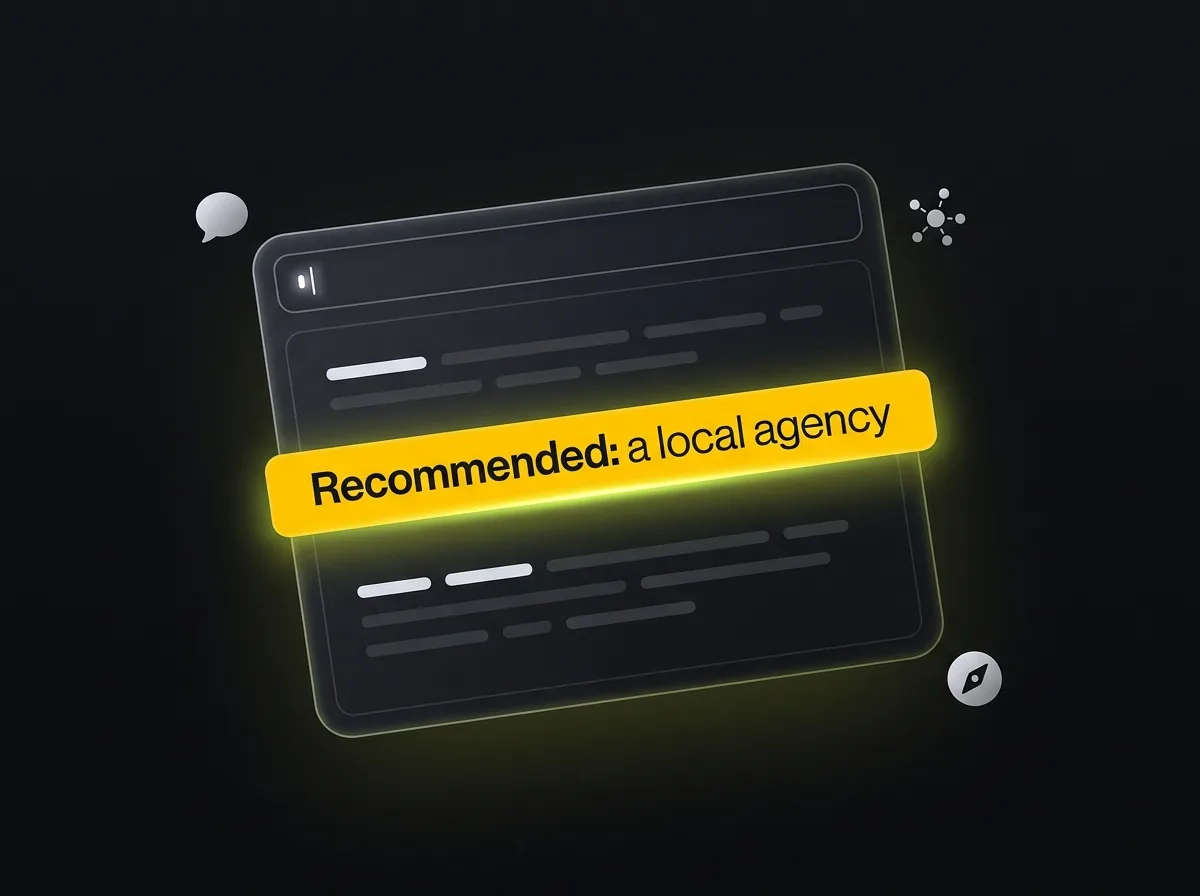
AI recommendation tools draw on publicly available content, structured data, and third-party references. If your site is thin, your content is sparse, or you have no credible editorial mentions such as trade body listings, press coverage, or review platforms, you will not be recommended. That is a brand visibility problem. The AI search traffic quality data is clear: prospects who arrive via AI recommendations tend to convert at significantly higher rates than those from general search, because they arrive already partially convinced. If you are not showing up, you are not in that conversation.
Checking your AI search visibility is now a standard part of any proper brand audit. Ask several AI tools what they know about your business. Ask them to recommend providers in your sector and city. What comes back matters.
Local brand signals. For service businesses, the Google map pack is brand visibility before a prospect ever reaches your website. An incomplete Google Business Profile, sparse reviews, unanswered Q&A, or inconsistent NAP (name, address, phone number) across directories signals a business that does not pay attention to itself. The fix is usually quick. The benefit, in local search presence and first impressions, is disproportionate to the effort.
Reading your findings and deciding what to fix first
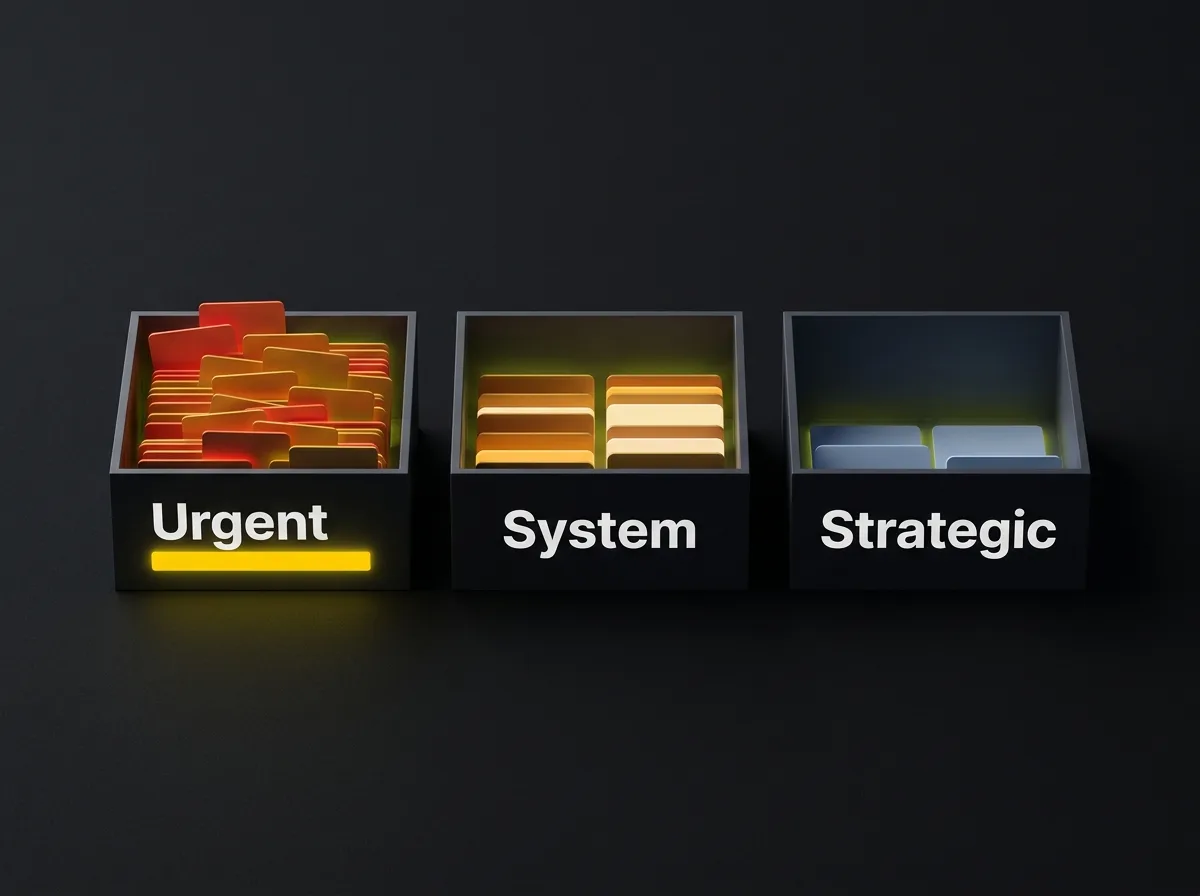
Once the audit is done, you will have a set of findings across five areas. The mistake is trying to address all of them simultaneously. Sort them into three buckets instead.
Urgent fixes are things actively losing you credibility or traffic right now. Wrong contact details on your Google Business Profile. A broken page on the website. An About page describing a service you stopped offering two years ago. A meta description referencing a pricing structure you changed. These should be corrected this week. None require creative work. They just require someone to fix them.
System improvements are inconsistencies in brand application that compound over time without being obviously damaging in isolation. Mixed logo versions. Different tones across different pages. Mismatched imagery styles across the site and social. These are not urgently broken, but they erode trust gradually and make every piece of collateral feel slightly amateur. Fix them over the coming quarter by building a simple system: one set of brand files, properly documented, accessible to everyone who creates branded content.
Strategic shifts are findings that reveal something more fundamental. A positioning that no longer accurately describes what the business does or who it serves. A brand voice that has not kept pace with how the business has evolved. Messaging aimed at a customer you were targeting four years ago. These take longer to address and almost always benefit from outside perspective. If your findings point here, a brand refresh is the logical next step: not a cosmetic update, but a structured repositioning that sets the brand up for the next phase of growth.
Worth saying plainly: most SMEs who run a brand audit find that the identity itself is fine. The logo is decent. The colours make sense. The problem is that the identity is applied inconsistently across every touchpoint, by different people, without shared guidelines. That is a system problem, not a strategy problem. Fixable, and without starting from scratch.
A simple format that works: for each finding, note what the issue is, which bucket it belongs to, and what the recommended action is. Three columns, written out plainly. You do not need anything elaborate. You just need to do it before the notebook goes in a drawer.
When a brand audit leads somewhere you cannot fix alone
A well-run brand audit often confirms what you already suspected. The visual identity is doing fine but the positioning has drifted. The digital presence is not generating the visibility the business deserves. The messaging is inconsistent across every channel and nobody currently owns fixing it.
Some of those findings are completely addressable internally. Update the Google Business Profile. Rewrite the About page. Standardise the logo file across all templates. Respond to every review. None of this is glamorous. All of it matters.
Other findings point to structural problems that genuinely need outside perspective. A positioning that has drifted from the target customer. A website that is technically serviceable but no longer reflects what the business has become. A search visibility gap that a handful of blog posts will not close. When the audit reveals those things, the most useful next step is working with someone whose job is to solve them. If the identity and positioning findings are the bigger story, working with a brand identity agency is where to start. If the digital and search findings are the priority, the conversation begins there instead.
If the audit has surfaced a traffic or visibility gap specifically, a Traffic Projection Report gives you a clear picture of what realistic search visibility could look like for your business, based on the terms your customers are actually using.
Free resource: Traffic Projection Report
A clear picture of the search traffic opportunity available to your business, based on real keyword data and competitive analysis. Useful for understanding the size of the visibility gap before deciding what to do about it.
Frequently asked questions about brand audits
How much does a brand audit cost in the UK?
A self-conducted audit costs nothing but time, usually a few hours spread across several days. A commissioned audit from a branding agency or studio typically runs between £1,500 and £5,000 depending on the depth of research, the number of stakeholder interviews involved, and what the deliverables include. Some agencies include a lighter audit as part of a larger brand identity project rather than pricing it separately.
How long does a brand audit take?
Self-conducted, you can work through the five areas in a couple of days if you set aside proper blocks of time rather than treating it as a background task. A professionally commissioned audit typically takes two to four weeks, including stakeholder conversations, external research, and producing a findings report with clear recommendations.
What is the difference between a brand audit and a brand review?
The terms are used interchangeably most of the time. "Brand audit" tends to imply a more structured, evidenced approach with a formal output and prioritised recommendations. "Brand review" is often more informal and conversational. Both should produce a clear picture of where things stand and a prioritised list of what to do about it.
Should I conduct a brand audit myself or hire an agency?
DIY works well for operational findings: inconsistency in application, outdated content, broken touchpoints, inaccurate directory listings. External input adds the most value when findings point to a positioning or strategic problem. Those are genuinely harder to see clearly from the inside, and the cost of getting the diagnosis wrong tends to be higher than the cost of outside perspective.
What if my audit reveals that the logo itself is the problem?
Rarely is. Most brand audits surface inconsistency, drift, or digital invisibility rather than a fundamentally broken visual identity. If the audit genuinely reveals the logo is not fit for purpose, at least you know. A structured diagnostic is a far better way to reach that conclusion than a hunch you have been sitting on for three years and never acted on.