
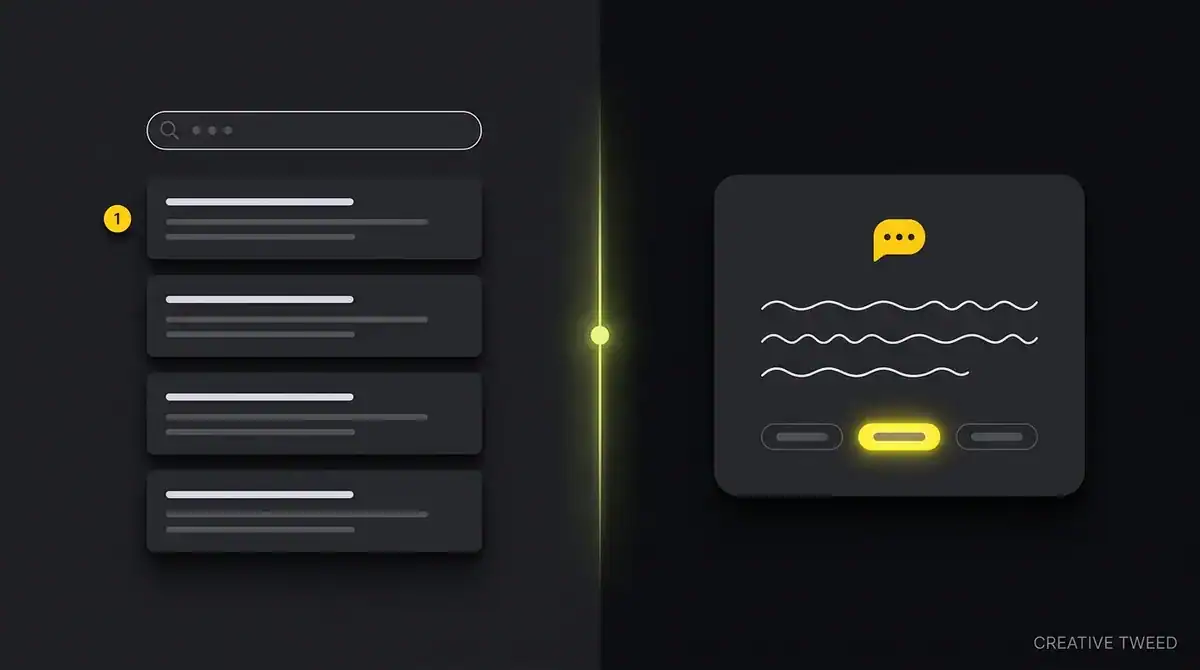
Most of GEO is just SEO. The rest is the part that actually changes everything.
That might not be what you wanted to hear if someone has recently tried to sell you a GEO package as though SEO is suddenly obsolete. It is probably not what you wanted to hear either if you were hoping this article would confirm that your existing SEO work covers you completely.
Neither of those things is true. But the honest picture sits much closer to “GEO builds on SEO” than either extreme would have you believe.
Here is the situation. You have probably heard the term GEO more than once in the past year. Someone is almost certainly trying to sell it to you. You are not sure whether it is a real discipline or a repackaged version of what you are already paying for. You do not want to fall behind if it is real. And you definitely do not want to be sold a duplicate service if it is not.
This article gives you a straight answer: what GEO and SEO share, what genuinely differs, and what that means for what you should actually do. No fluff. No sales pitch until the very end, at which point you can make your own mind up.
SEO and GEO in one sentence each
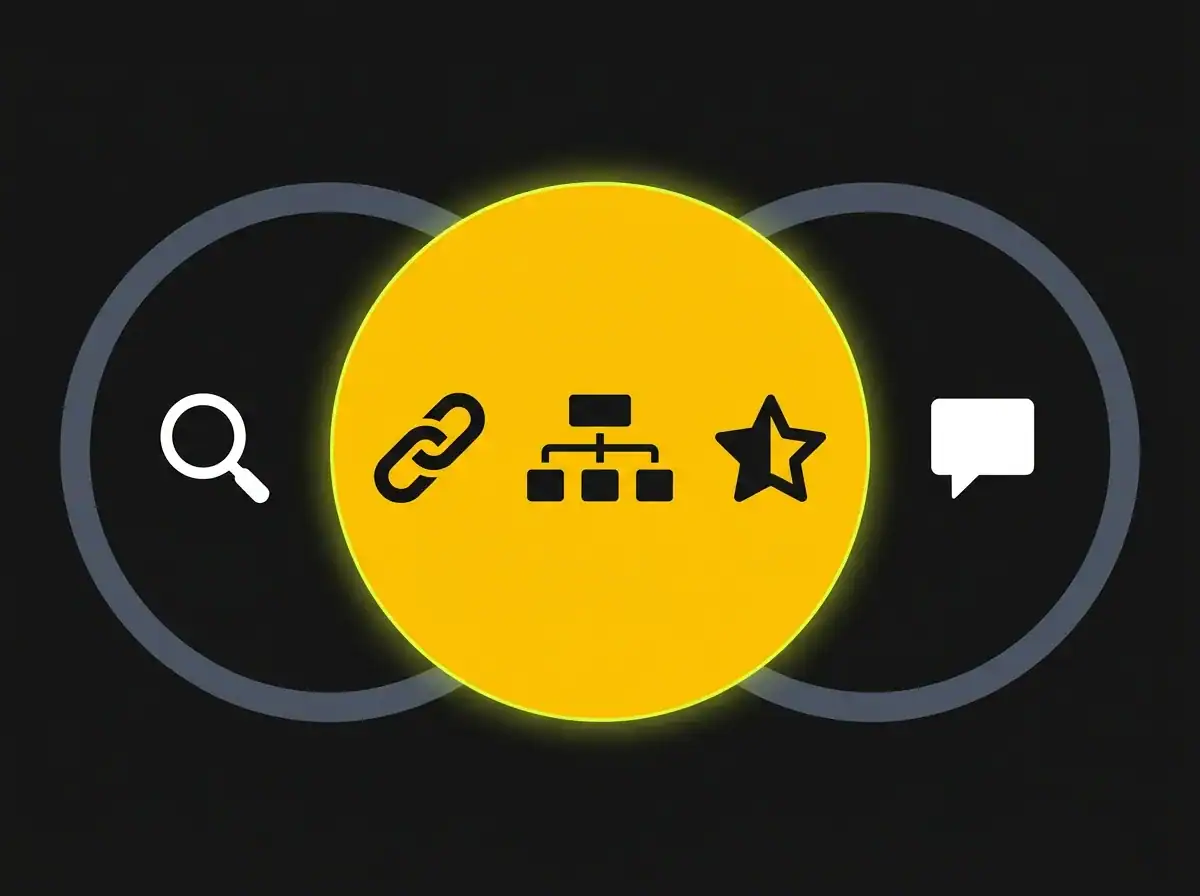
SEO (search engine optimisation) is the practice of improving your content, site structure and authority so that search engines like Google and Bing rank your pages for relevant queries.
GEO (generative engine optimisation) is the practice of improving your content, site structure and authority so that AI engines like ChatGPT, Claude, Perplexity and Google AI Overview cite, mention and recommend you in their generated answers.
Read those definitions side by side. The disciplines are structurally identical. The target platforms are different. That single difference is what produces the 30% divergence. Everything else follows from it.
GEO as a named discipline first appeared in the Princeton research paper that coined the term in late 2023. The underlying practice, writing clearly, building authority, earning citations, is much older. What changed was the platform doing the citing and the format in which the citation appears.
You will also see GEO called AEO (answer engine optimisation), AI SEO, or AI search optimisation. They are broadly synonymous. The terminology is still settling. For the rest of this article, GEO means any of those.
A note on naming: this article sits in the context of a broader search visibility and traffic strategy for most businesses. GEO is one layer of that strategy, not a standalone replacement for the others.
The 70% that stays the same
The reason GEO is not a wholesale replacement for SEO is straightforward. AI engines do not operate in a vacuum. They are trained on the open web. They lean heavily on the authority signals that Google has spent twenty-five years refining. When ChatGPT or Perplexity decides which sources to cite, they draw on many of the same trust signals that determine where a page ranks on Google.
In practice, the following carry over entirely.
Technical SEO foundations. A site that is fast, crawlable, mobile-friendly and free of technical errors is easier for Google to index. It is also easier for AI engines to read, process and reference. Structured data, the schema markup that makes your content machine-readable for Google, also makes it more parseable for large language models. Nothing about technical SEO becomes redundant.
Content quality. Genuine expertise, depth and accuracy have always been the ceiling for SEO performance.
With AI engines, the ceiling becomes the floor. If your content is thin, vague or derivative, it will not rank well on Google and it will not get cited by ChatGPT. Content you have already invested in improving for SEO purposes is also better GEO content. That is genuinely good news.
E-E-A-T. Google’s framework for evaluating experience, expertise, authoritativeness and trustworthiness is not a purely Google concept. It describes how trust is communicated, and AI engines apply the same logic. A page written by a named expert with verifiable credentials, supported by original research and cited elsewhere on the web, carries more weight across both platforms.
Authority signals. Backlinks are still the primary trust currency of the open web. A domain that earns links from respected sources is one an AI engine is more likely to cite. Named experts associated with your organisation add weight. Brand mentions across credible third-party sources matter. This is the same work a specialist SEO agency has always focused on.
If you have been doing SEO properly, you are not starting from zero on GEO. You are starting from a position that needs extending, not replacing.
The 30% that genuinely changes
The shift that matters is not in the algorithms. It is in what users are actually doing.
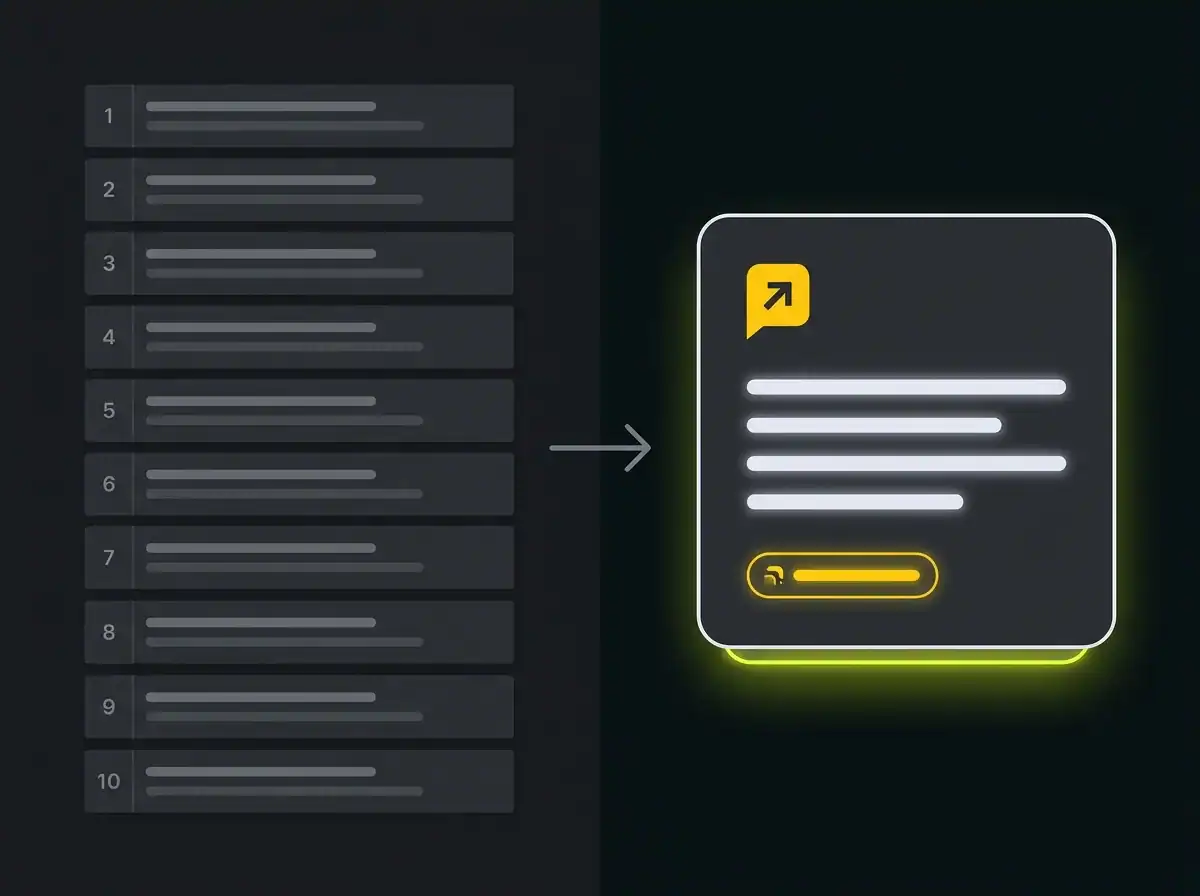
When someone types a query into Google, the result is a list of links. They pick one, read the page, and form their own synthesis. The page’s job is to be found and clicked.
When someone asks ChatGPT, Claude or Perplexity a question, the result is a synthesised answer. The model has already done the clicking, the reading and the synthesis. The user reads the result and often never clicks through to any source. Your page’s job has changed. It is no longer just to be found. It is to be quoted.
That single behavioural shift produces four real differences.
The result format changes. There are no positions one to ten to win. There is a generated paragraph, and your brand either appears in it or it does not. Being cited in a Perplexity answer is more like earning a mention in a trusted publication than winning a keyword ranking.
The ranking signals shift weight. Google ranks pages on hundreds of signals. For AI citation, three carry disproportionate weight. The first is entity recognition: AI engines build internal maps of who is associated with which topic.
If your brand is clearly and consistently linked to a specific category across the web, you are more likely to be cited in answers about that category. The second is mention frequency: the more often your brand or content appears in contexts an AI engine trusts, the more reliably it surfaces you. The third is answer-shaped writing: content structured as clear questions and answers, definitions, comparison tables and atomic statements is far easier for an AI to lift and cite than flowing prose alone.
Measurement changes completely. You cannot put a rank tracker on ChatGPT. Search Console shows you nothing about how often you are cited in Claude. Most AI referral traffic currently appears as direct or unattributed in GA4, which means traditional analytics dashboards significantly undercount the impact of AI search.
Measuring GEO performance means tracking brand mentions in AI answers, monitoring citation frequency in Perplexity and similar tools, and watching for the conversion patterns that AI-referred traffic leaves behind. Our own data shows that AI search converts at around five times the organic rate. Fewer visits, considerably higher intent.
The competitive landscape is earlier-stage. On Google, you are competing against pages with years of accumulated authority and hundreds of backlinks. In AI citation, the landscape is much less established. Sources that are well-structured, clearly attributed and written to be cited have a genuine advantage today that will be far harder to achieve in two years. For UK B2B businesses specifically, there is currently very little UK-specific, marketing-manager-level content being routinely cited by ChatGPT or Perplexity. That is an open slot.
SEO vs GEO: the comparison at a glance
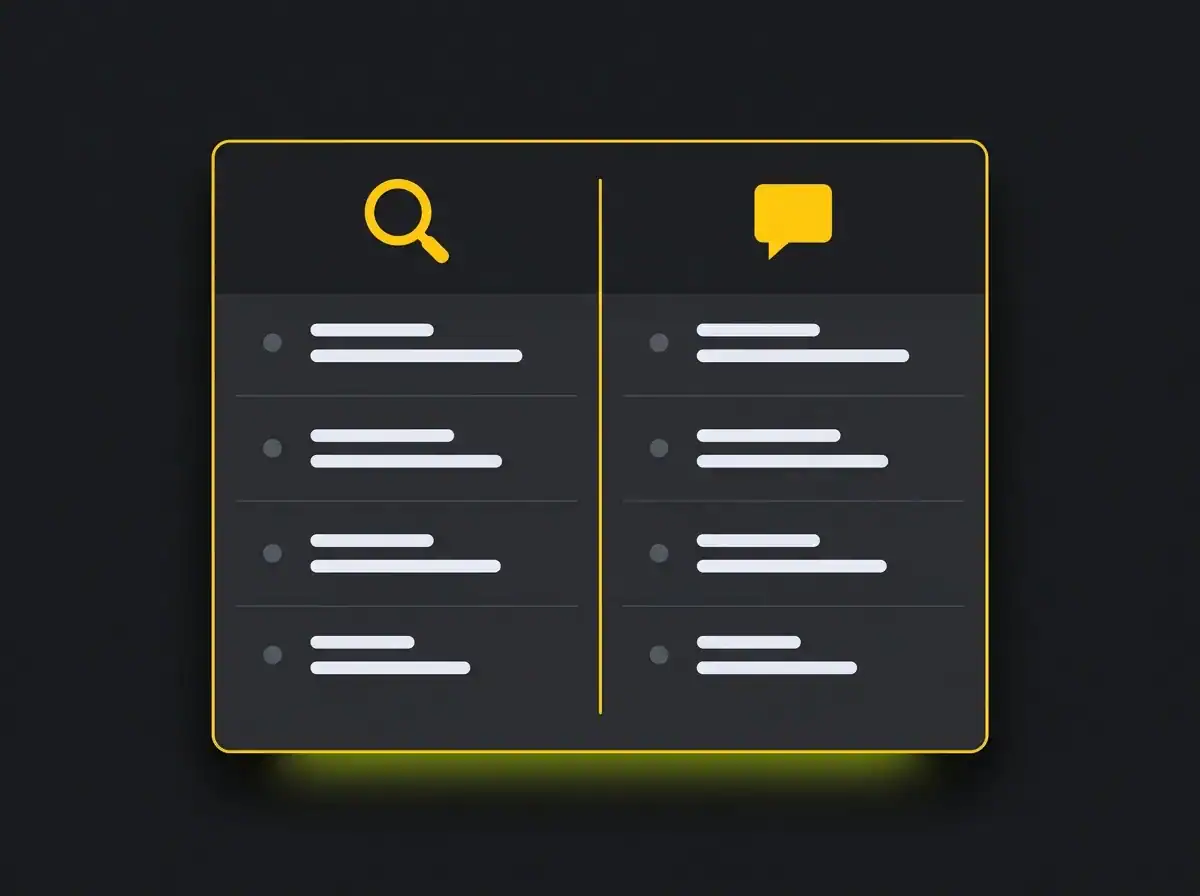
Both disciplines share the same 70% foundation. This is what the remaining 30% looks like side by side.
| Dimension | SEO | GEO |
|---|---|---|
| Target platforms | Google, Bing | ChatGPT, Claude, Perplexity, Google AI Overview |
| User behaviour | Types a query, clicks a result | Asks a question, reads a synthesised answer |
| Result format | Ranked list of links | Generated response with cited sources |
| Key ranking signals | Backlinks, relevance, technical health | Entity recognition, mention frequency, structured content |
| Primary success metric | Rankings and organic traffic | Citations and brand mentions in AI answers |
| Measurement tools | Search Console, GA4, rank trackers | AI mention monitoring, referrer analysis in GA4 |
| Content format | Keyword-optimised pages targeting search intent | Answer-shaped, entity-rich, citable writing |
Semrush research reports that AI Overviews now appear in around 13% of all queries, and substantially more on informational and comparison searches like this one. When an AI Overview is present, the organic results below it see meaningfully reduced click-through rates. That is not a reason to abandon SEO. It is a reason to make sure your existing content is also AI-shaped.
How AI engines decide what to cite
Understanding this is where GEO gets practical. AI engines do not cite pages at random. The selection follows a logic you can work with.
Entity recognition. Large language models build rich internal associations between named entities and topics. If your brand, your named experts, or your products are consistently associated with a specific subject across multiple credible sources, the model is more likely to surface you when a user asks about that subject. Publishing under named authors with verifiable credentials, and making sure those authors are mentioned elsewhere on the web, outperforms anonymous corporate content for citation purposes.
Source reputation. AI engines lean on the same authority signals as traditional search, with one addition: they weight citation frequency across the open web heavily. A source that is referenced by credible third parties carries different weight than a source that only links to itself. For most UK B2B businesses, the practical implication is that press coverage, industry association mentions and appearances in credible trade publications matter more than they ever did purely for SEO purposes.
Structured content. This is the most immediately actionable signal. AI engines lift clean, atomic content more easily than dense prose. Clear H2 headings that frame a question. Short definitional paragraphs. Comparison tables. FAQ blocks. Lists of discrete steps. If your existing content is dense and jargon-heavy, reorganising it for scannability serves both SEO and GEO at the same time.
Frequency of mention. The more often your brand is mentioned in contexts an AI engine can find, the more reliably it surfaces you. Press releases on credible wire services, guest articles in trade publications, mentions in industry roundup posts, podcast appearances with published transcripts: these all feed the frequency signal. Most of this is exactly what good PR and content marketing has always recommended. GEO gives it a clearer commercial reason.
Recency. AI engines weight fresh content more aggressively than Google does, particularly in fast-moving categories. A post dated 2026 on a topic like AI search has a structural advantage over a 2023 post, even if the older post has more backlinks. Refreshing existing content regularly, and dating it clearly, is worth doing.
Understanding content’s role in a B2B SEO strategy becomes more important once you factor GEO in, because the content decisions that help you get cited by AI engines are exactly the same decisions that make your organic content compound over time.
What a UK marketing manager should actually do

The practical answer divides into three lists: keep doing, start doing, and safely ignore.
Keep doing everything you are already doing on SEO.
Do not let anyone convince you that a GEO package makes your existing SEO work redundant. It does not. Around 90% of the clients we work with still receive the majority of their qualified traffic from traditional search. The SEO foundations pay the rent. Your budget allocation should reflect that.
Start doing three specific things.
First, add a citable content layer. Audit your highest-traffic pages and ask honestly whether they contain clean definitions, comparison tables, FAQ blocks, and clear question-and-answer structures. Most do not, even on strong SEO-optimised pages. Adding these structures takes a few hours per page and immediately makes content more AI-friendly without harming its organic performance.
Second, add an authority layer. Make sure your key people have proper author biographies on your site with named credentials. Look for genuine opportunities to be mentioned in credible third-party contexts, whether that is trade press, podcast transcripts, industry association features, or cited research. This feeds entity recognition and mention frequency, the two signals with the clearest gap between most current content and what AI engines actually reward.
Third, add a measurement layer. Set up a routine to check whether your brand appears in ChatGPT, Claude and Perplexity when someone asks about your category. In GA4, scrutinise the direct traffic segment more carefully: a meaningful portion of what appears as direct today is AI referral traffic. Conversion rates from these visits are consistently higher than organic search averages. Knowing your baseline now means you can actually track progress.
Ignore:
Ignore the breathless “SEO is dead” content. SEO is not dead. The discovery surface has expanded. Two years from now, the businesses that stayed disciplined about both will be well ahead of those that pivoted entirely to one side.
Free resource: AI Visibility Audit
Not sure whether your business currently appears in ChatGPT, Claude or Perplexity when someone searches for what you offer? The AI Visibility Audit gives you a clear picture of where you stand today, which terms you are being cited for, and where the gaps are. Run it before deciding how much resource to put into GEO.
Do you actually need both?
Yes. But not equally, and not yet equally.
Traditional SEO is still where most qualified B2B traffic comes from. For a UK marketing manager deciding how to allocate a marketing budget in 2026, the honest answer is that your SEO foundations matter more than your GEO layer right now, because SEO is still driving the volume.
But the mix is shifting. AI search usage has grown fast among exactly the buyers B2B businesses care most about: managers researching a purchase, comparing providers, or validating a shortlist before making contact. These users ask ChatGPT, Claude or Perplexity their questions and take the synthesised answer at face value. If your brand is not in that answer, you do not exist for that buyer at that moment.
The time to act is before the citation slots are locked up. On Google, you are competing for rankings that have been established over years. In AI citation, many categories still have open territory. UK B2B businesses that establish a clear entity association and build a citable content layer now will be far better positioned in 2027 than those that treat GEO as a problem for next year.
The practical split for most businesses today: the majority of the budget stays in SEO. A meaningful allocation goes to making your existing content AI-shaped and to starting the measurement layer. That does not mean a second full agency retainer. It means treating GEO as an extension of your SEO work rather than a competing programme.
Where to go from here

The first step for most businesses is simply knowing where they currently stand.
Are you being cited in ChatGPT, Claude or Perplexity when someone asks about your category? Are you appearing in Google AI Overview for your core terms? Is your content structured in a way that AI engines can read and lift cleanly? Most UK businesses do not know the answers to these questions, which means they have no baseline from which to measure progress or make sensible decisions about what to add.
GEO is not a panic. It is a planning input. The businesses and marketing teams that treat it that way will be the ones being cited next year.
The AI Visibility Audit is the starting point we use with clients before recommending any GEO-specific work. It shows exactly where you appear in AI answers today, which terms are working, and where the gaps are. If you are going to add anything to your programme this year, start there.
If you already know where you stand and you are ready to do something about it, the AI search agency page covers how we approach this work for UK B2B businesses.