It is 11pm on a Tuesday. Sarah's mum had a fall last week, and the hospital mentioned a discharge date this morning. She is on her third care home website in twenty minutes.
She is about to close your tab too.
She is not comparing prices. She is not reading your facilities list or counting staff ratios. She is looking for something she cannot quite name: a feeling that this is somewhere she could trust with someone she loves. She knows within about four seconds of landing on a page whether that feeling is there or not.
Most care home marketing does not think about Sarah at all. It thinks about Google rankings, Facebook reach, and directory listings. All of which matter. But if the person doing the searching feels nothing when she arrives on your website, the channel strategy is largely irrelevant.
This guide starts with who is actually searching for care homes online and what they need to feel when they find you, then works through the decisions that give you the best chance of being the home she calls.
Care home marketing works when it starts with the family, not the channel. Local search visibility, a website that builds trust quickly, and a consistent review presence do the work that advertising alone cannot.
Who is really searching for your care home (and what they feel when they do)
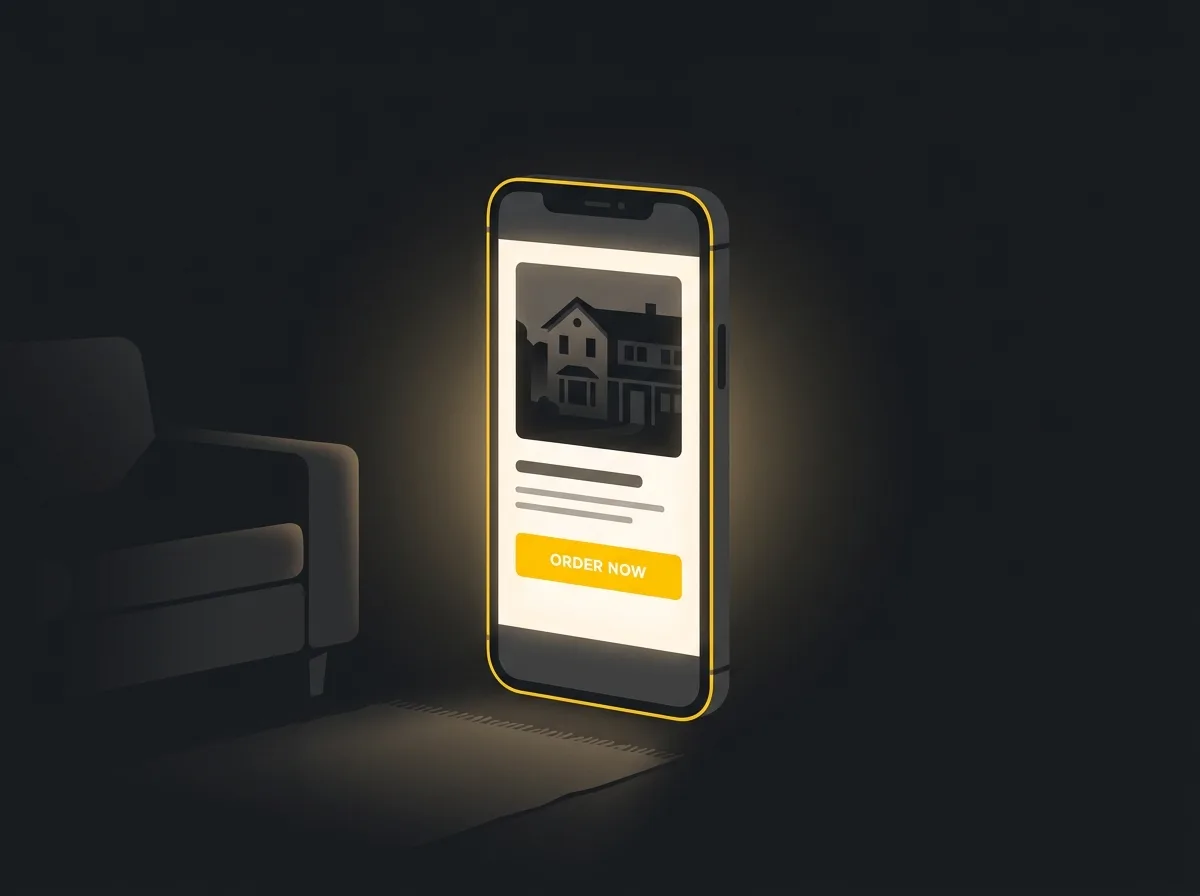
The person searching "care homes near me" at 11pm is almost never the person who will be moving in.
It is usually a daughter. Sometimes a son. Typically mid-40s to early 60s, often the sibling who, by geography or by disposition, has ended up as the one making enquiries. She may have been thinking about this for months. Or a conversation with the hospital social worker may have started it three days ago.
The trigger varies: a fall, a hospital admission, a family conversation after a parent's health has visibly declined, a GP who suggested the time had come. What is consistent across all of them is the emotional state. This is not comparison shopping. It is managed anxiety, dressed in a search bar.
Think about what she is carrying. Guilt, because placing a parent in a care home still comes with a weight that no amount of reassurance entirely removes. Fear, because she cannot know from the outside whether any of these places will genuinely care for someone she loves. Urgency, because the hospital has given a discharge date. And underneath all of it, a desperate hope that one of these places will just feel right.
None of this is what most care home marketing addresses.
Most care home websites are written from the operator's perspective: care types, facilities, inspection ratings. All of that information matters, and families will look for it eventually. But it is written from the inside out. It accurately describes a service and completely fails to answer the emotional question the visitor actually has.
The UK care home sector includes around 15,000 registered homes, serving a population that is growing and ageing. The families choosing between them are doing so under significant pressure and on tight timelines. That context shapes every marketing decision that follows.
Understanding the family as the real decision-maker, not a secondary audience to be informed once the care professional is satisfied, is the single most important shift this guide asks you to make.
Why local search is the most important channel most care homes underinvest in
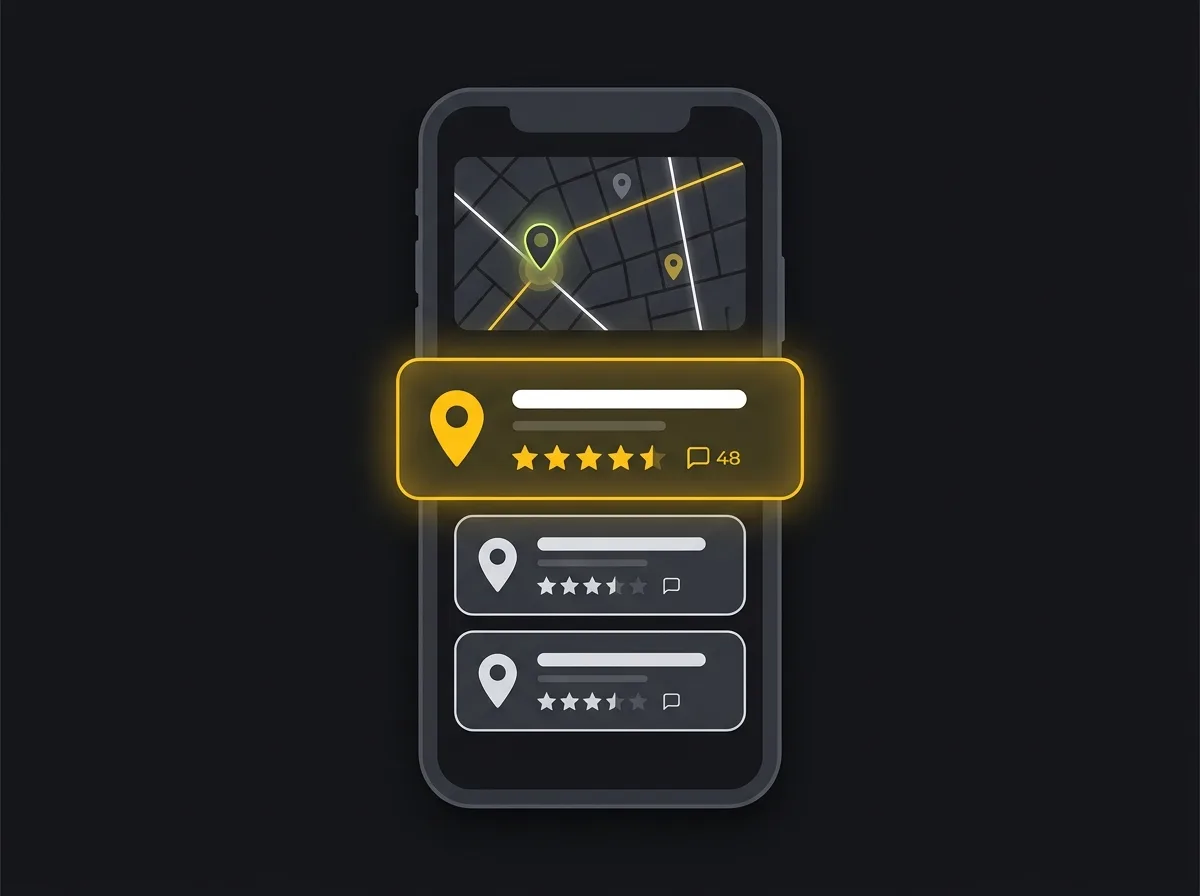
The searches that produce enquiries are almost entirely local. "Care homes near me." "Residential care in [town name]." "Dementia care [city]." "Nursing home [postcode]." These are not exploratory searches made by someone at the beginning of a long research process. They are ready-to-act searches made by someone who has already decided they need help.
On mobile, which is where most of this searching happens (often in the evening, after the working day, while processing difficult news), the results page shows three options before anything else. The Google Map Pack: three local homes with star ratings, review counts, and photos. If your home is not in those three positions, most locally searching families will not see you.
This is the channel most homes underinvest in. Not because the concept is unfamiliar, but because the underlying work, keeping a Google Business Profile accurate and complete, building a stream of recent reviews, and ensuring the technical foundations that local ranking depends on are solid, is not visible in the way a Facebook post or a print ad is. It compounds quietly over months.
Your Google Business Profile is frequently the first thing a family sees before they reach your website. The photos matter: are they of the actual home, or generic stock? The star rating matters. The number of reviews and their recency matter. Whether anyone has responded to reviews matters too. A home with 200 reviews averaging 4.7 stars communicates something qualitatively different from a home with 11 reviews, most of them four years old.
A structured approach to local SEO for care homes covers the full picture: Google Business Profile, citation consistency across directories, website technical foundations, and review generation. Visibility gains compound over months. But families are searching every day.
If you want broader context for how search behaviour works across the healthcare sector, what actually works in healthcare SEO covers similar ground from a medical practice perspective and applies directly here.
What families need to find on your website in the first 30 seconds
This is a conversion problem.
The question families ask in the first thirty seconds of landing on a care home website is not whether it looks well-designed. It is more urgent than that: does this place feel safe, and can I find what I need without working for it?
Real photography. The single highest-impact change most care homes can make is replacing stock imagery with real photographs of the actual home. Families can spot the difference within seconds. Generic images of anonymous smiling older adults, or bright modern lounges that look like hotel lobbies, signal something the home probably does not intend to signal: that the presentation matters more than the reality. Real photographs of real rooms, real communal areas, and real staff, taken carefully and with consent, do something no stock library can.
Clear navigation. Families are looking for three or four specific things. The types of care offered. Some indication of fees (even a brief guide to how funding works is better than silence). The CQC rating, displayed prominently rather than buried in a footer. And how to make contact. If any of these takes more than one click to find, you are creating friction at the exact moment the family is deciding whether to stay.
Contact that works. A phone number visible at the top of every page. A short enquiry form, five or six fields at most. If your audience tends to message before calling, a WhatsApp link costs very little to add. Some families who leave without enquiring are not the ones who decided your home was wrong. They simply could not find how to contact you quickly enough.
Transparency on fees. Hiding all fee information creates anxiety rather than avoiding a difficult conversation. A clear, brief guide to how funding works, covering self-funding, NHS Continuing Healthcare, and local authority contributions, positions the home as accountable. It also means the families who do enquire are better informed from the start.
If your site needs more than content changes, a proper care home website design project starts with these conversion questions before touching the visuals. The design is how the answers look. The structure is what makes families stay.
Free resource: Traffic Projection Report
To understand what your current local search visibility is actually delivering, a Traffic Projection Report shows you where you stand and what closing the gaps could mean for occupancy. No commitment required.
Reviews, ratings, and the trust signals families scan for
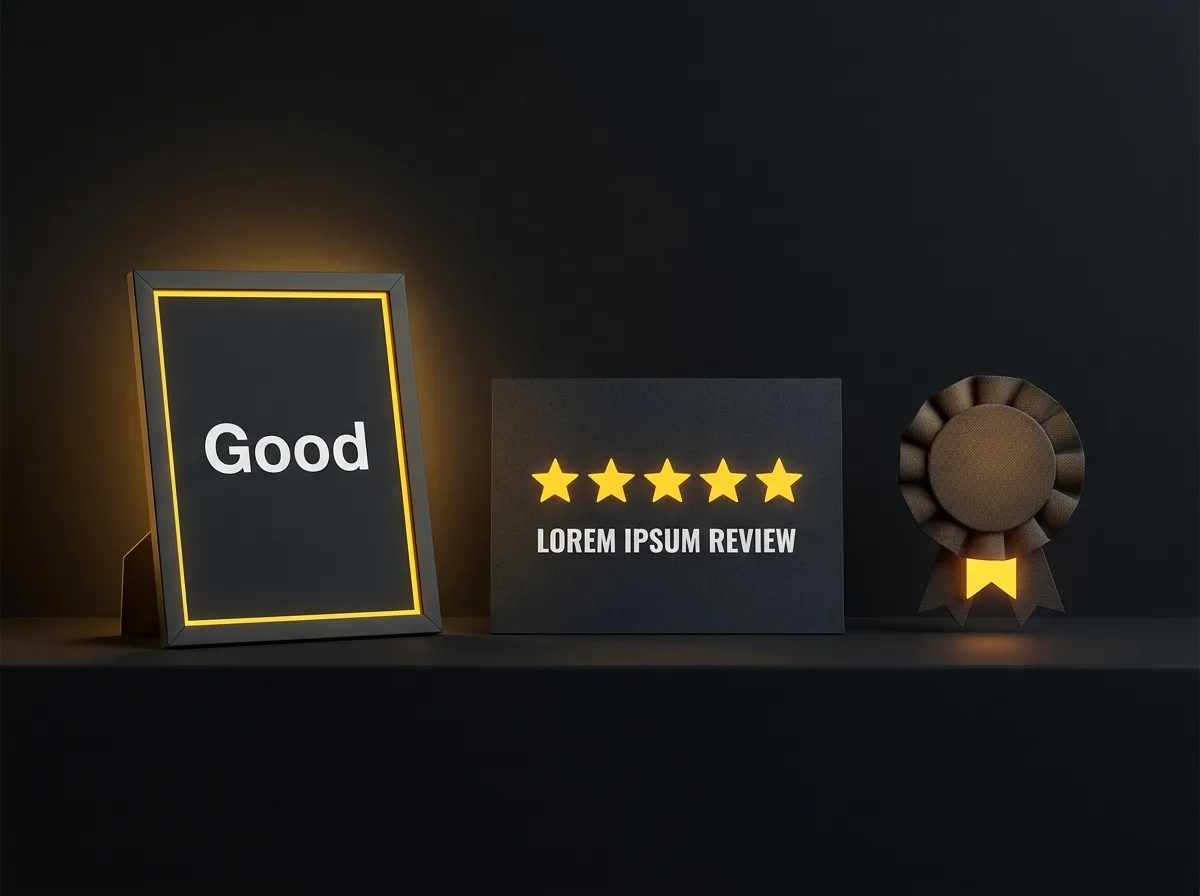
The CQC inspection rating is the care sector's primary independent trust benchmark. Outstanding, Good, Requires Improvement, Inadequate. CQC inspection ratings are public, searchable, and families check them. A home rated Requires Improvement that does not address this directly, either by explaining what has changed since the inspection or by actively working towards reinspection, is leaving a visible gap that a nearby competitor will fill.
Review volume matters. Recency matters more. A home with 120 Google reviews, the majority from the past 18 months, reads very differently from one with 12 reviews from 2021. The platforms that matter most are Google (highest search visibility), carehome.co.uk (the sector's dominant directory, with over 16 million annual visits and a large base of published family reviews), and the NHS website where ratings are also surfaced for certain services.
Responding to reviews, including the difficult ones, is visible to every family reading your profile. A thoughtful response to a complaint demonstrates accountability in a way that a row of five-star ratings cannot. According to BrightLocal's annual consumer review survey, the majority of consumers specifically read responses to negative reviews before deciding whether to contact a business. Silence reads as indifference.
Video testimonials from family members are among the most effective trust tools available to care homes and are almost entirely underused. A thirty-second clip from a family member explaining what they found when they arrived, in their own words, carries more weight than any amount of written copy. Most homes that have them say they came from simply asking at the right moment.
The full picture of how families find care homes
Digital is not the only route families take. Not even close.
For a significant number of placements, particularly urgent ones involving hospital discharge, the enquiry starts with a professional rather than a search engine. A hospital social work team maintaining a list of local homes with capacity. A GP surgery that knows which homes have current vacancies. A specialist care adviser or financial adviser helping a family navigate the system. Local authority social workers for families applying for publicly funded placements. And carehome.co.uk operating as a standalone research platform that many families visit directly, without going through Google at all.
Word of mouth should not be overlooked. A family who had a good experience with a home three years ago still talks about it. A well-regarded local reputation, built over years of genuine care, produces enquiries that no digital campaign can replicate.
The referral and digital channels interact more than most homes realise. A family gets a home's name from a social worker and immediately looks it up. Your Google listing, your reviews, and your website either confirm the recommendation or raise doubts. If the social worker mentioned your home but your website looks several years old and your Google listing has no recent reviews, you can still lose that referral.
Where digital work fits in this picture is specific. When the online search happens, whether a family is researching independently or verifying a referral, the goal is to make sure your home wins that encounter. Referral relationships take years to build. Digital visibility can be meaningfully improved in months.
Measuring what matters (and the response variable most homes ignore)
Marketing gets families to the point of making contact. What happens after that is also a marketing problem.
Enquiry response speed is the most overlooked variable in care home marketing. A family in an urgent situation who contacts a home on a Friday afternoon and hears nothing until Monday may have placed their relative elsewhere before you call back. Not because your home was wrong for them. Simply because someone else answered first.
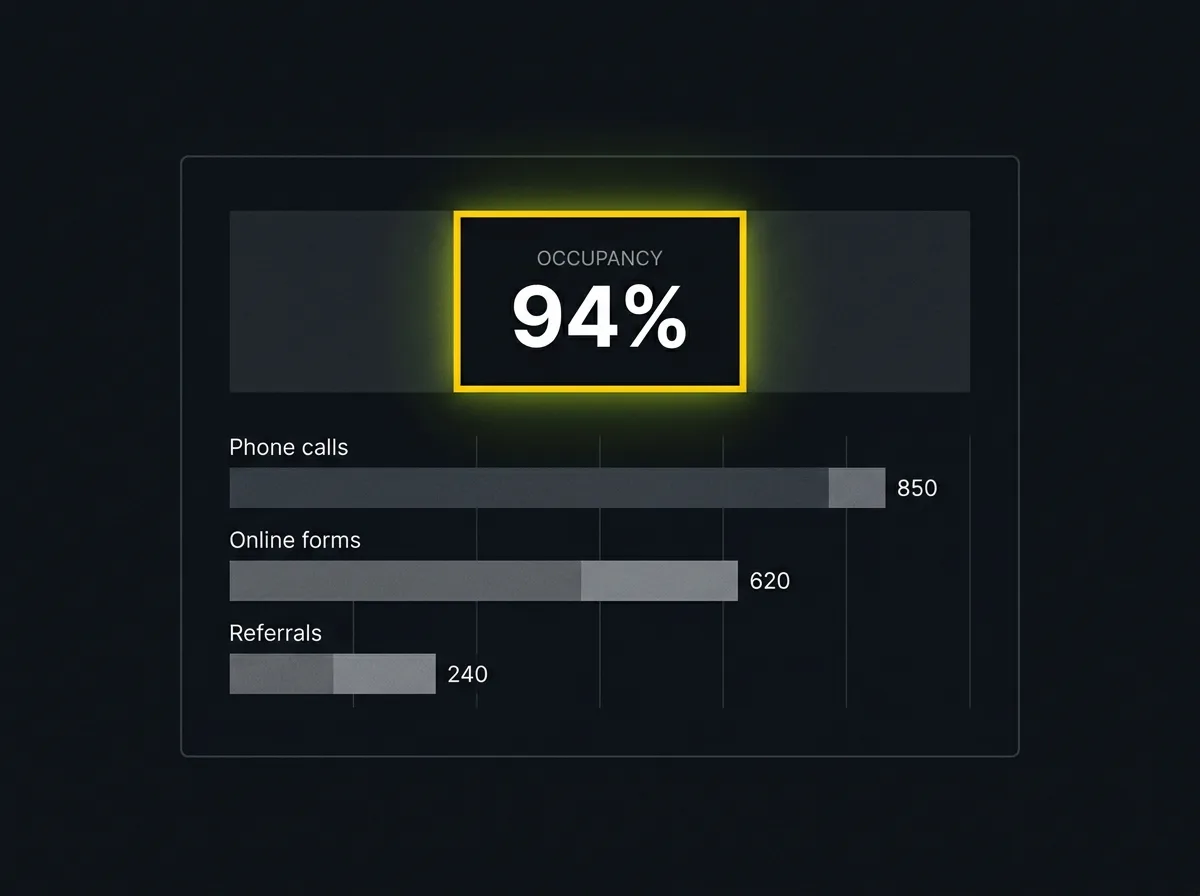
The basic measurement setup every home should have is straightforward. Where are enquiries coming from: phone, online form, directory listing, referral, walk-in? How many enquiries is the website producing each month? How quickly is someone responding to new contacts? And across all of it, what is the monthly occupancy rate, the number that everything else feeds into?
Google Analytics 4 with contact form tracking, Google Business Profile Insights showing calls and direction requests from your listing, and a simple "how did you hear about us?" question on every enquiry call are enough to start building a useful picture. None of this requires specialist tools.
On paid search: Google Ads can produce enquiries relatively quickly when you need to fill specific beds under time pressure. It is a short-term lever. It stops producing results when the budget stops. SEO and local visibility compound over time and continue working without a daily spend, which is why the two tend to work well together rather than in competition.
Frequently asked questions about care home marketing
How do families typically find care homes online?
Most families start with a local search: "care homes near me" or "residential care in [town name]". On mobile, the Google Map Pack shows three homes prominently before any website results, displaying star ratings and review counts at a glance. Many families also search directly on carehome.co.uk, which operates as an independent sector directory with a large base of published family reviews. For urgent placements involving hospital discharge, many families are guided directly by social work teams rather than searching independently online.
What makes a care home website convert enquiries?
The websites that produce the most enquiries tend to share a few things: real photographs of the actual home rather than stock imagery, a phone number visible at the top of every page, clear information about the types of care available and how fees and funding work, and the CQC rating displayed without the visitor having to search for it. Families in a difficult situation will not spend more than thirty seconds looking for how to contact you. Friction at that point costs enquiries.
How important are Google reviews for a care home?
Very. A Google profile with a high volume of recent reviews, and visible responses from the home, communicates trust in a way that advertising cannot. Families read reviews specifically to understand what the experience is actually like, not what the home says it is. Both volume and recency matter: a home with 15 reviews from 2022 ranks and reads very differently from one with 150 reviews across the past two years, many of them with responses.
Should care homes use Google Ads to fill empty beds?
Google Ads can produce enquiries quickly, which makes them useful when occupancy dips and you need results under time pressure. The trade-off is that paid search stops the moment the budget stops. Local SEO and organic visibility compound over time and do not depend on a monthly spend to keep working. Most homes with a long-term approach use both: paid search as a short-term lever when beds are empty, organic visibility as the stable foundation.
Getting families to the point of calling
Every marketing decision in this guide comes back to the same question. Would this reassure a stressed adult child that your care home is the right choice for their parent?
That question is worth keeping close. Care home marketing that starts from the channels, what should we post, should we run ads, tends to produce activity rather than enquiries. Marketing that starts from the family's experience, what she is searching for, what she needs to feel, what stops her calling, tends to produce something more durable.
The competitive edge here is not expensive and it is not technical. It is understanding the person doing the searching better than the care home down the road. Most care home marketing is channel-first. Being family-first creates a visible difference before you have said a word.
Free resource: Traffic Projection Report
To see what stronger local visibility could realistically mean for your occupancy rate, request a free Traffic Projection Report. We will show you what the data says about your current search presence, where the gaps are, and what closing them could produce, without making promises we cannot keep.